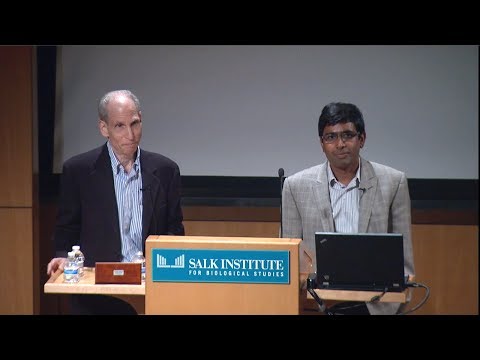
Understanding the science of biological time.

Satchin Panda, PhD studies how the body’s internal clocks shape sleep, metabolism and health — and what that means for the way we live each day.

Portrait of Satchin Panda, PhD
Satchin Panda, PhD
Scientist. Author. Circadian Biology Pioneer.
Position
Professor, Rita & Richard Atkinson Chair
Institution
Salk Institute for Biological Studies
Affiliation
Center for Circadian Biology, UC San Diego
Honor
AAAS Fellow, 2023
Author
The Circadian Code · The Circadian Diabetes Code
The big idea

Your body is keeping time.

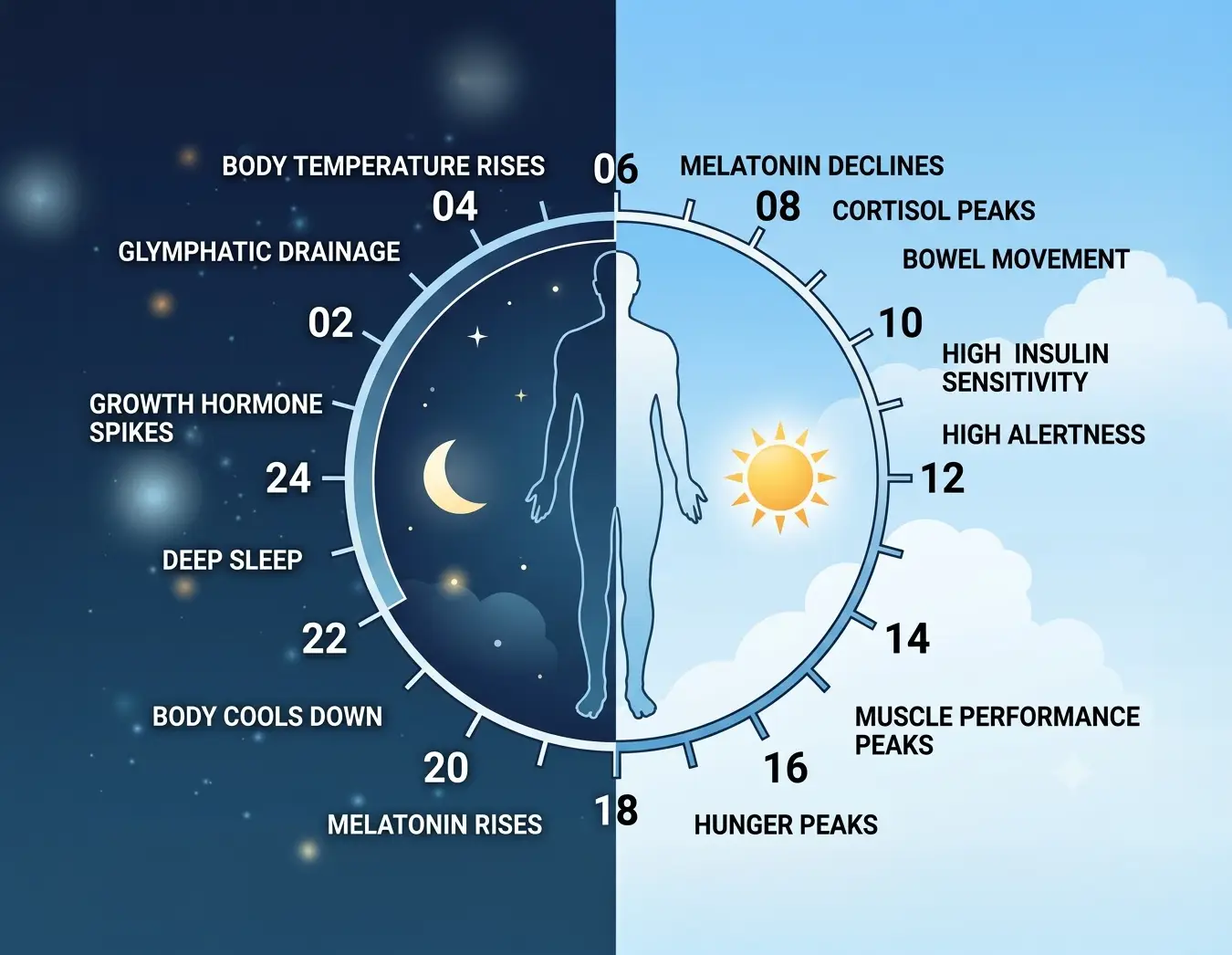
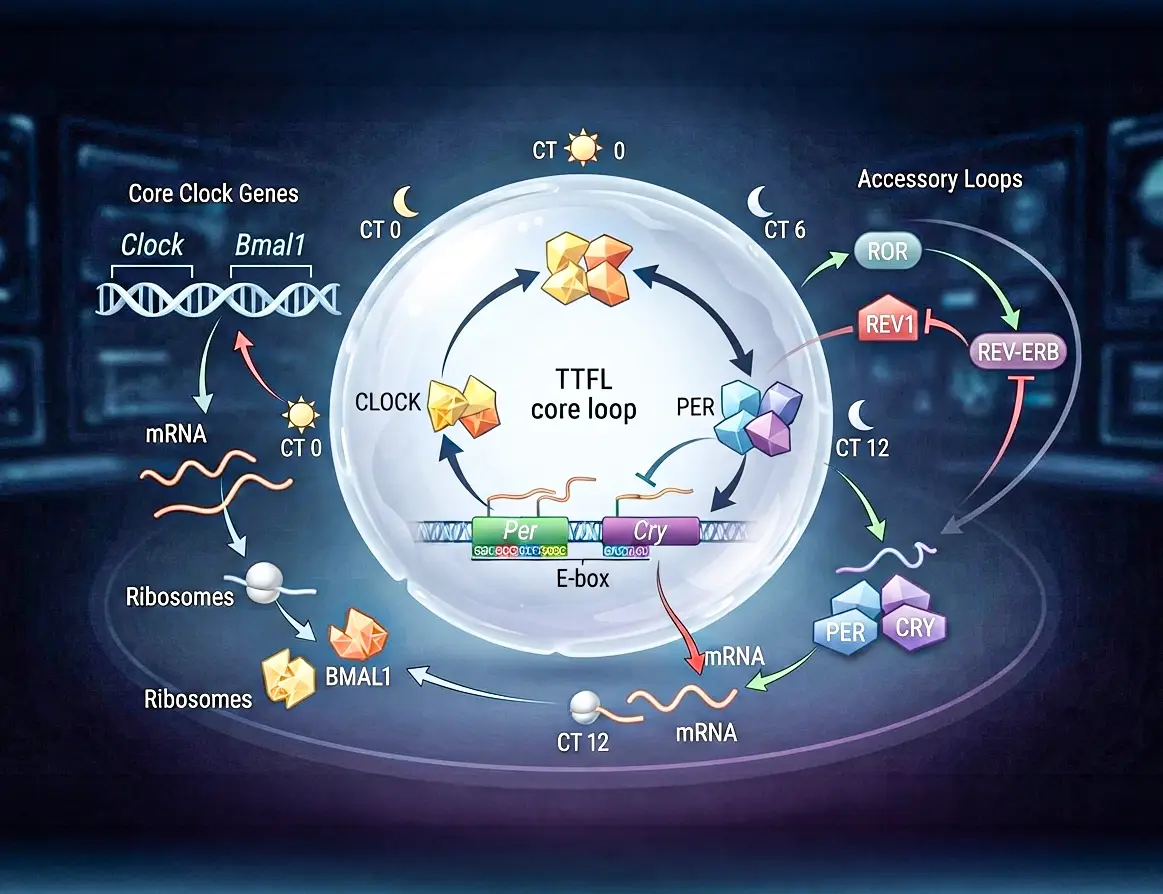
Nearly every cell you have carries a molecular clock. Together they anticipate the day — raising and lowering hormones, body temperature, digestion, repair and alertness on a roughly 24-hour cycle.

Those clocks are set by signals we control: when light reaches the eye, when the first calorie arrives, when we move, when we sleep.

Explore the research →
6 – 9 AM
Dawn
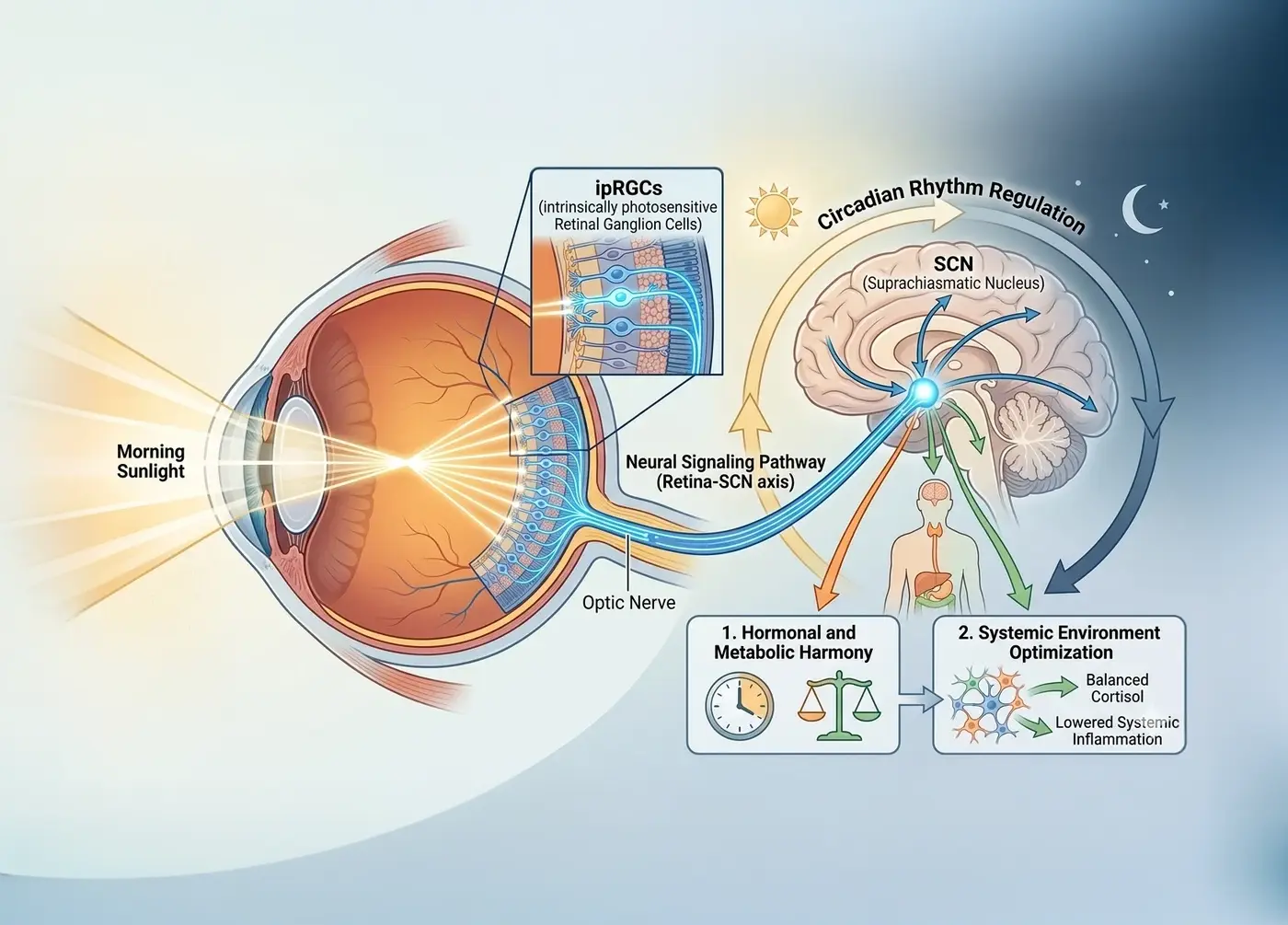
Morning light is the strongest signal the clock receives.
9 AM – 6 PM
Day
Digestion, insulin response and alertness are at their peak.
6 – 10 PM
Evening
Late calories and bright screens delay the night programme.
10 PM – 6 AM
Night
Repair, memory consolidation and metabolic housekeeping.
Research

Five research programs, three decades of discovery.

Satchin Panda studies how the circadian clock governs biology across every scale — from the genes that keep time to the daily choices that shape human health.

Molecular Circadian Clocks & Systems Chronobiology

How the circadian clock is built and set, from plants to mammals.

Genome-wide allele-specific expression in multi-tissue samples from healthy male baboons reveals the transcriptional complexity of mammals

Ramasamy R, Raveendran M, Harris RA, Le HD, Mure LS, Benegiamo G, Dkhissi-Benyahya O, Cooper H, Rogers J, Panda S. Cell Genomics. 5:100823. 2025.

The time is now: accounting for time-of-day effects to improve reproducibility and translation of metabolism research

Deota S, Pendergast JS, Kolthur-Seetharam U, Esser KA, Gachon F, Asher G, Dibner C, Benitah SA, Escobar C, Muoio DM, Zhang EE, Hotamışlıgil GS, Bass J, Takahashi JS, Rabinowitz JD, Lamia KA, de Cabo R, Kajimura S, Longo VD, Xu Y, Lazar MA, Verdin E, Zierath JR, Auwerx J, Drucker DJ, Panda S. Nature Metabolism. 7:454–468. 2025.

Energy balance drives diurnal and nocturnal brain transcriptome rhythms

van Rosmalen L, Deota S, Maier G, Le HD, Lin T, Ramasamy RK, Hut RA, Panda S. Cell Reports. 43:113951. 2024.

Photoentrainment & Circadian Neuroscience

How light resets the internal clock, and what happens when it can't.

Neuropsin-expressing cells in the retina affect melanopsin expression and response to light in mice

Calligaro H, Khov B, Kim KY, Le H, Ellisman M, Panda S. Scientific Reports. 16(1):1082. 2026.

Time-restricted feeding mitigates high-fat-diet induced sleep disruption and amplifies NREM substates

Lam MTY, Askari K, Ashtiani KC, Li Y, Andrews NA, Panda S. bioRxiv. 2026.

Retinal ganglion cells expressing melanopsin

Calligaro H, Dkhissi-Benyahya O, Panda S. Handbook of Clinical Neurology. 217:277–287. 2026.

Circadian Nutrition & Time-Restricted Eating

How meal timing shapes metabolism, weight, and long-term health.

NutriRAG: Unleashing the power of large language models for food identification and classification through retrieval methods

Zhou, H., Chow, L., Harnack, L., Panda, S., Manoogian, E.N.C., Li, M., Xiao, Y., and Zhang, R. Journal of the American Medical Informatics Association. 33:802–811. 2026.

Comparison of self-reported dietary recalls and real-time tools to track mealtimes in older adults: A pilot study

Santos-Báez, L.S., Kazmi, O., Díaz-Rizzolo, D., Popp, C.J., Manoogian, E.N.C., Panda, S., Cheng, B., and Laferrère, B. Inquiry. 63:469580261419162. 2026.

Relative effects of time-restricted eating, energy-restricted eating, and unrestricted eating on eating patterns and dietary intake: Results from a randomized controlled trial

Harnack, L.J., Oldenburg, N., Wang, Q., Helgeson, E., Taddese, A., LaPage, N., Alvear, A., Wong, A., Hanson, M., Anderson, J.D., Yentzer, B.P., Mashek, D.G., Manoogian, E.N.C., Panda, S., and Chow, L.S. Journal of the Academy of Nutrition and Dietetics. 2026.

Immunology, Cancer Biology & Circadian Medicine

How circadian rhythm shapes immune function, inflammation, and cancer.

Learning from circadian rhythm to transform cancer prevention, prognosis, and survivorship care

Zhu X, Maier G, Panda S. Trends in Cancer. 10(3):196–207. 2024.

The untapped potential of circadian timing as a variable for discoveries and reproducibility

Panda S. Cellular and Molecular Gastroenterology and Hepatology. 16(3):497–498. 2023.

A timely call to arms: COVID-19, the circadian clock, and critical care

Haspel JA, Kim M, Zee PC, Schwarzmeier T, Montagnese S, Panda S, Albani A, Merrow M. Journal of Biological Rhythms. 36(1):55–70. 2021.

Healthy Aging, Geroscience & Human Performance

How circadian biology drives energy, muscle, and healthy aging.

Blood metabolomics improves prediction of central nervous system damage in multiple sclerosis

Rebeaud, J., Phillips, N.E., Thevoz, G., Vigne, S., Nassirnia, S., Gauthier-Jaques, A., Lim-Dubois-Ferriere, P., Panda, S., Theaudin, M., Du Pasquier, R., Greub, G., Bertelli, C., Kuhle, J., and Collet, T.H. Metabolomics. 21:114. 2025.

Multi-organ transcriptome atlas of a mouse model of relative energy deficiency in sport

van Rosmalen, L., Zhu, J., Maier, G., Gacasan, E.G., Lin, T., Zhemchuzhnikova, E., Rothenberg, V., Razu, S., Deota, S., Ramasamy, R.K., Sah, R.L., McCulloch, A.D., Hut, R.A., and Panda, S. Cell Metabolism. 36:2015–2037.e6. 2024.

Energy balance drives diurnal and nocturnal brain transcriptome rhythms

van Rosmalen, L., Deota, S., Maier, G., Le, H.D., Lin, T., Ramasamy, R.K., Hut, R.A., and Panda, S. Cell Reports. 43:113951. 2024.

For an updated list, search “Panda S [au] AND (Circadian OR melanopsin OR opsin OR retina OR Time restricted)” on PubMed or ISI Web of Science.

In his words

From rice fields in Odisha to the frontier of circadian medicine.

Foundation & Inspiration

Satchin grew up in rural and semi-urban Odisha, India, where he became fascinated by the seasonal and daily rhythms he saw in nature. His undergraduate studies in agriculture deepened that curiosity: why do certain plants flower only in spring or winter? Why do some open their petals in the morning and others in the afternoon? Why do many animals give birth in spring, and some birds migrate on a fixed seasonal schedule? Why do we sleep at night, while rodents and frogs wake and venture out at dusk?

Education & Training

He soon realized that most biological research focused on what and how much — nutrition, medicine, daily practices. Far less was known about when. He built the foundation for this work through his MSc, research at International Flavors & Fragrances (India) and the University of Manitoba, and a PhD at Scripps Research in San Diego. During his postdoctoral training at what is now Novartis Research in San Diego, he learned to lead team science.

Discovery — The Pace of Time

Satchin’s early work uncovered how the circadian clock’s pace is set. His PhD thesis linked NAD metabolism to the circadian clock, showing that a mutation in a gene regulating NAD levels could slow the plant clock. Later collaborative work found that the ROR family of nuclear hormone receptors helps stabilize the clock’s pace.

Discovery — Melanopsin

How do humans and animals reset their circadian clock to seasonal changes in day length, or readjust after crossing time zones? Satchin’s pioneering research identified melanopsin — a blue-light-sensing protein — and the ipRGCs that produce it as essential to aligning circadian rhythms with ambient light.

Discovery — Circadian Multi-Omics

Circadian rhythms touch nearly every function of the brain and body. Satchin has led whole-genome, time-series studies of gene expression across more than 60 tissues, brain regions, and the gut microbiome — pointing to ways of improving hundreds of drugs already in clinical use.

Discovery — Time-Restricted Eating

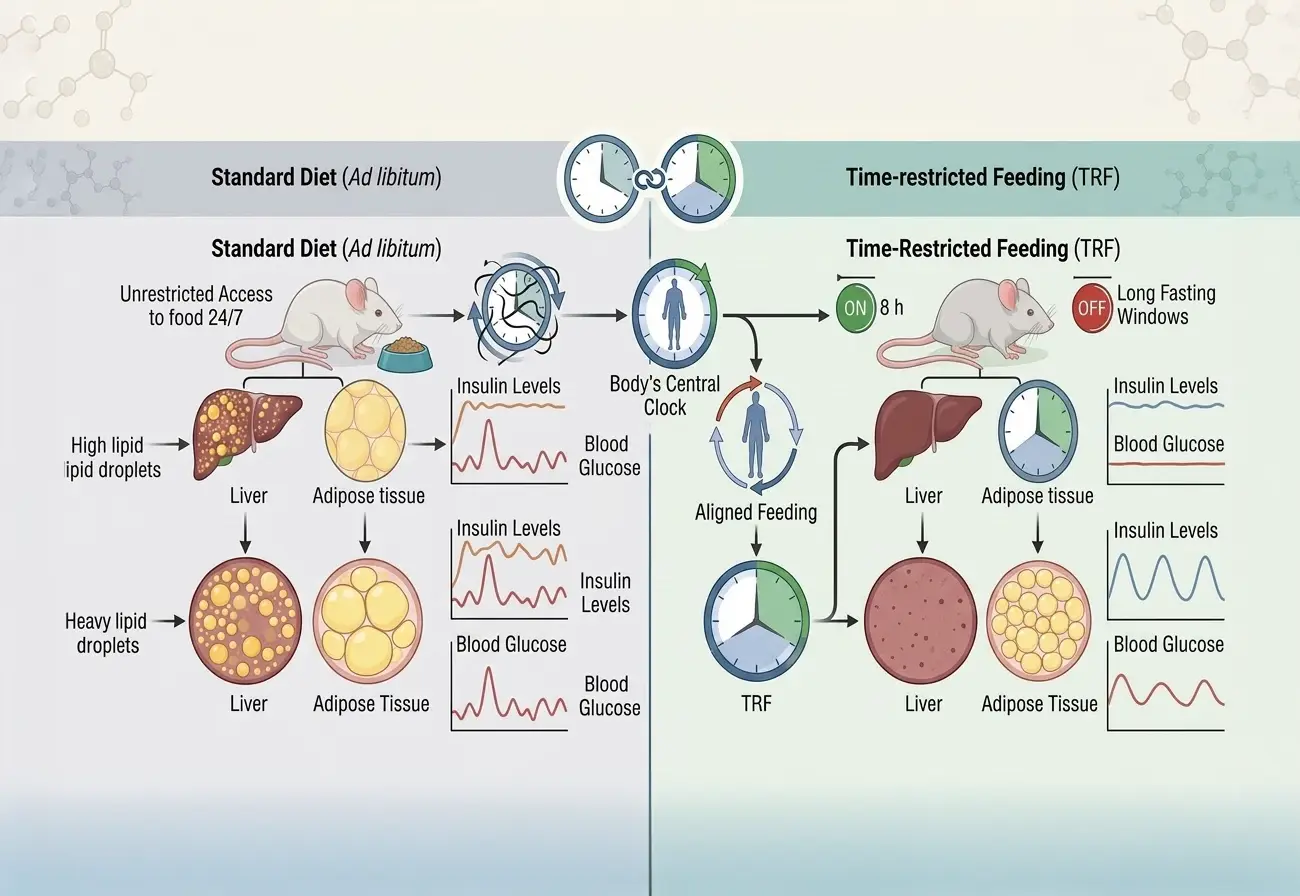
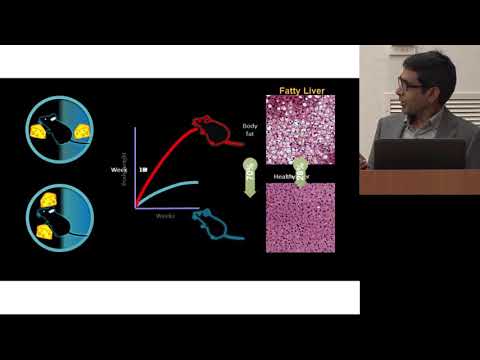
Satchin’s landmark study found that the liver’s circadian clock follows when an animal eats, not what its eyes perceive as light or dark. This gave rise to time-restricted eating — consuming all food within a consistent 8–10 hour window — which has since inspired more than 150 clinical trials in humans.

Sharing Knowledge

A discovery that stays locked in a journal changes nothing until someone acts on it. Satchin has made it a mission to get the science of circadian rhythm out of the lab and into people’s daily lives — through podcasts reaching millions, public lectures worldwide, and books that have become international bestsellers.

Satchin Panda, PhD
Books

The science behind when — not just what.

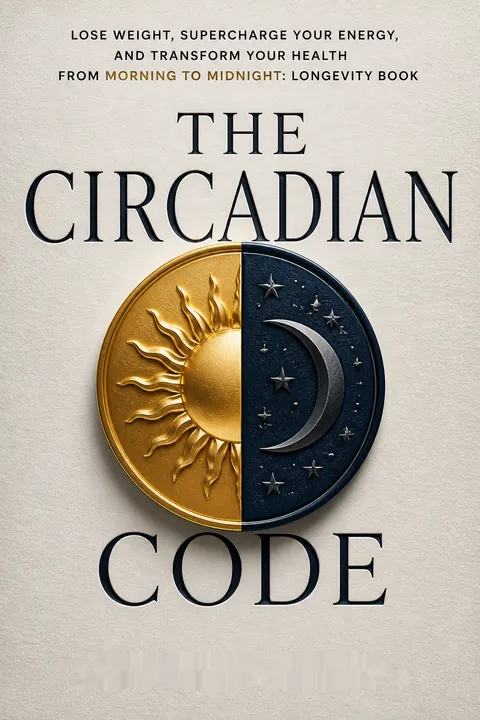
Cover of The Circadian Code by Satchin Panda
Publisher: Penguin Random House

The Circadian Code

Your body runs on a 24-hour clock — and most of us are fighting it without knowing. The Circadian Code reveals what circadian rhythms are, why they govern nearly every system in your body, and how small, deliberate changes to your daily timing can prevent disease and accelerate recovery. Translated into more than a dozen languages and read around the world.

Cover of The Circadian Diabetes Code by Satchin Panda
Publisher: Penguin Random House

The Circadian Diabetes Code

Just a few nights of disrupted rhythm can measurably raise your risk of diabetes. In The Circadian Diabetes Code, Satchin exposes the hidden link between circadian rhythm and how your body handles food, sugar, and cravings — and lays out a clear, actionable plan that works alongside physician-guided care to improve blood sugar control and reduce diabetes complications.

Science conversations

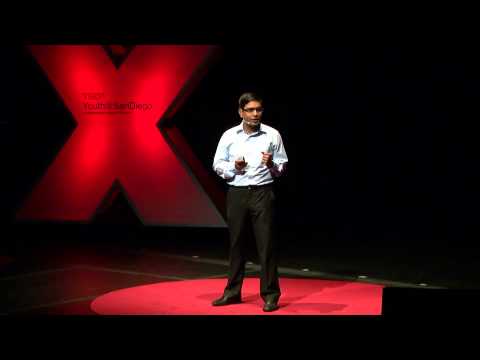
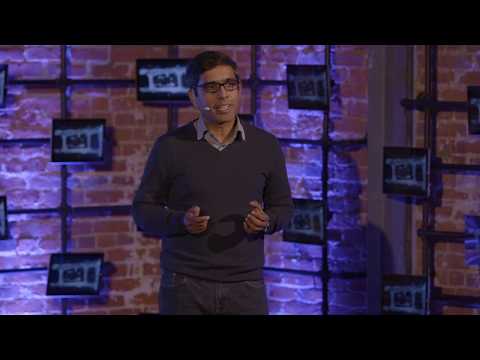
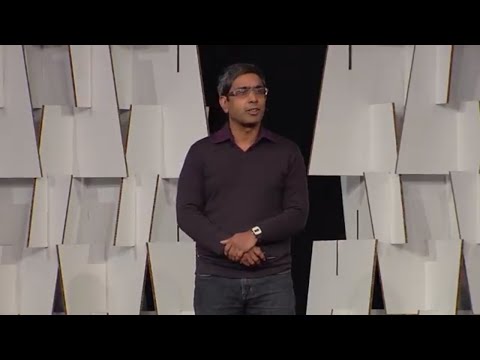
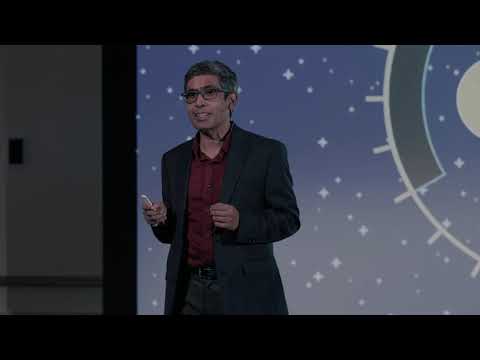
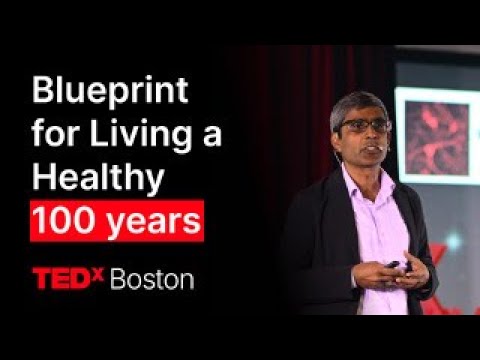
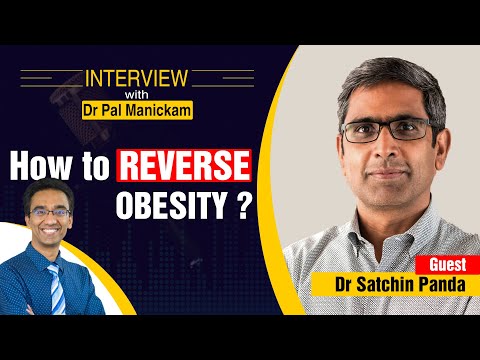
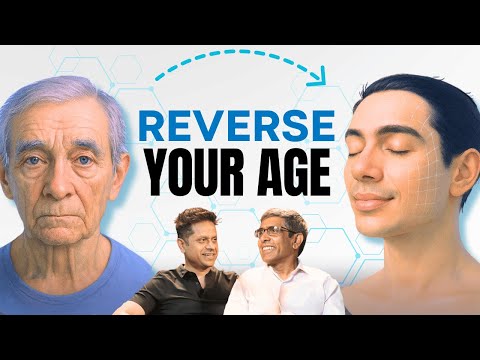
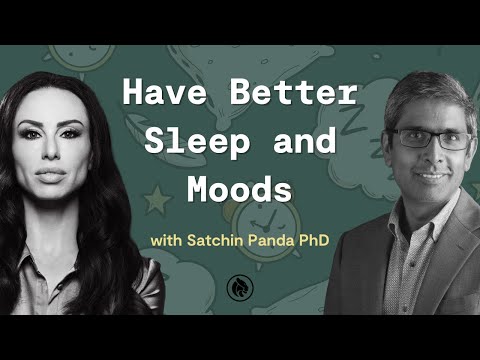
Podcast interviews, TEDx talks, and public lectures.

Start with the most-listened-to episodes, then browse the full archive below.

Start here

Shorts

170+scientific publications
350+seminars and lectures
150+public talks
750+collaborators & coauthors
In the news

Press coverage of the science, from The Wall Street Journal to NPR.

Reporters have turned to Satchin’s research on meal timing, fasting, and the circadian clock for over a decade.

As featured in

The Wall Street Journal
The New York Times
The Washington Post
Los Angeles Times
NPR
BBC Radio
Life Extension Magazine
The Wall Street Journal Jan 2024

What's the Best Time to Eat Dinner? Here's the Math.

The Washington Post Sep 7, 2023

A hearty breakfast could reduce jet lag in older adults, study suggests

NPR Jan 2, 2023

Encore: Perceiving Without Seeing: How Light Resets Your Internal Clock

The Washington Post Feb 26, 2021

The science of intermittent fasting

Los Angeles Times Dec 5, 2019

Time-restricted eating, or intermittent fasting, may ease metabolic syndrome, study finds

Los Angeles Times Nov 30, 2019

Intermittent fasting for weight loss: What you need to know

The Wall Street Journal Aug 1, 2019

The Fasting Cure Is No Fad

The New York Times Jun 4, 2019

Intermittent Fasting Made My Life Easier and Happier

Life Extension Magazine Jan 2019

Author Interview: Satchin Panda

Los Angeles Times Nov 9, 2018

Burning calories may depend on the time of day you eat, study finds

The New York Times Jul 24, 2018

When We Eat, or Don't Eat, May Be Critical for Health

The Washington Post Mar 23, 2018

Timing your meals may help with weight loss. That's what it seems to do in mice.

The New York Times Jan 30, 2018

Binge Eating at Night? Your Hormones May Be to Blame

The Wall Street Journal Dec 31, 2017

A Diet Strategy That Counts Time, Not Calories

The New York Times Aug 21, 2017

The Case for a Breakfast Feast

The Wall Street Journal Feb 17, 2017

How to Get the Benefits of Fasting With Less Deprivation

The Wall Street Journal Feb 2, 2015

Researchers Say When You Eat Each Day May Be Crucial to Weight Loss

The New York Times Jan 15, 2015

A 12-Hour Window for a Healthy Weight

Los Angeles Times Jun 14, 2008 Verify before publishing

Title unverified — 2008 archive piece on light and circadian research

BBC Radio Date unverified Verify before publishing

Title and air date unverified — radio segment

Speaking

Bring the science of biological time to your audience.

Keynotes and lectures for conferences, universities, medical and scientific meetings, and corporate audiences — always grounded in published research.

Invite Satchin to speak
Talk topics
The science of circadian rhythms
Time-restricted eating: evidence & limits
Light, health & the modern world
The future of chronobiology
Publications

By year, reverse chronological.

2026

9 papers

Neuropsin-expressing cells in the retina affect melanopsin expression and response to light in mice. Calligaro H, Khov B, Kim KY, Le H, Ellisman M, Panda S. Scientific Reports. 2026;16(1):1082.

Time-restricted feeding mitigates high-fat-diet induced sleep disruption and amplifies NREM substates. Lam MTY, Askari K, Ashtiani KC, Li Y, Andrews NA, Panda S. bioRxiv. 2026.

Retinal ganglion cells expressing melanopsin. Calligaro H, Dkhissi-Benyahya O, Panda S. Handbook of Clinical Neurology. 2026;217:277–287.

NutriRAG: Unleashing the power of large language models for food identification and classification through retrieval methods. Zhou, H., Chow, L., Harnack, L., Panda, S., Manoogian, E.N.C., Li, M., Xiao, Y., and Zhang, R. Journal of the American Medical Informatics Association. 2026;33:802–811.

Comparison of self-reported dietary recalls and real-time tools to track mealtimes in older adults: A pilot study. Santos-Báez, L.S., Kazmi, O., Díaz-Rizzolo, D., Popp, C.J., Manoogian, E.N.C., Panda, S., Cheng, B., and Laferrère, B. Inquiry. 2026;63:469580261419162.

Relative effects of time-restricted eating, energy-restricted eating, and unrestricted eating on eating patterns and dietary intake: Results from a randomized controlled trial. Harnack, L.J., Oldenburg, N., Wang, Q., Helgeson, E., Taddese, A., LaPage, N., Alvear, A., Wong, A., Hanson, M., Anderson, J.D., Yentzer, B.P., Mashek, D.G., Manoogian, E.N.C., Panda, S., and Chow, L.S. Journal of the Academy of Nutrition and Dietetics. 2026.

Time-restricted eating promotes weight loss and favorable changes in adipose in obesity: The TREAD randomized control trial. Wilkinson, M.J., Padilla, E., Wang, Y., Raygani, S., Manoogian, E.N.C., Laing, K., Tong, K., Liu, L., Van, D., Nguyen, J., Saltiel, A.R., Reilly, S.M., O'Neal, M., Panda, S., Majithia, A.R., and Taub, P.R. Obesity. 2026.

Post-intervention sustainability of time-restricted eating versus caloric restriction: A secondary analysis. Chen, D.A., Pena, R.H., Oldenburg, N., Wang, Q., Helgeson, E., Yentzer, B., Taddese, A., LaPage, N., Manoogian, E.N.C., Panda, S., and Chow, L.S. International Journal of Obesity. 2026;50:474–477.

The diversity and consistency of what and when people eat. Tran, T., Manoogian, E.N.C., Hou, Z.J., Varshney, S., Sui, J., Laing, K.L., Fleischer, J.G., and Panda, S. Nature Metabolism. 2026;8:981–997.

2025

10 papers

Genome-wide allele-specific expression in multi-tissue samples from healthy male baboons reveals the transcriptional complexity of mammals. Ramasamy R, Raveendran M, Harris RA, Le HD, Mure LS, Benegiamo G, Dkhissi-Benyahya O, Cooper H, Rogers J, Panda S. Cell Genomics. 2025;5:100823.

The time is now: accounting for time-of-day effects to improve reproducibility and translation of metabolism research. Deota S, Pendergast JS, Kolthur-Seetharam U, Esser KA, Gachon F, Asher G, Dibner C, Benitah SA, Escobar C, Muoio DM, Zhang EE, Hotamışlıgil GS, Bass J, Takahashi JS, Rabinowitz JD, Lamia KA, de Cabo R, Kajimura S, Longo VD, Xu Y, Lazar MA, Verdin E, Zierath JR, Auwerx J, Drucker DJ, Panda S. Nature Metabolism. 2025;7:454–468.

Lateral habenula astroglia modulate the potentiating antidepressant-like effects of bright light stimulation in intractable depression. Delcourte S, Bouloufa A, Rovera R, Brunet E, Le HD, Williams AE, Panda S, Azmani R, Raineteau O, Dkhissi-Benyahya O, Haddjeri N. Front Pharmacol. 2025;16:1592909.

Blood metabolomics improves prediction of central nervous system damage in multiple sclerosis. Rebeaud J, Phillips NE, Thevoz G, Vigne S, Nassirnia S, Gauthier-Jaques A, Lim-Dubois-Ferriere P, Panda S, Theaudin M, Du Pasquier R, Greub G, Bertelli C, Kuhle J, Collet TH, Pot C. Metabolomics. 2025;21(5):114.

Metatranscriptomics uncover diurnal functional shifts in bacterial transgenes with profound metabolic effects. Ramos, S.F., Siguenza, N., Zhong, W., Mohanty, I., Lingaraju, A., Richter, R.A., Karthikeyan, S., Lukowski, A.L., Zhu, Q., Nunes, W.D.G., Zemlin, J., Xu, Z.Z., Hasty, J., Dorrestein, P.C., Panda, S., Knight, R., and Zarrinpar, A. Cell Host & Microbe. 2025;33:1057–1072.

Time-restricted eating, caloric reduction, and unrestricted eating effects on weight and metabolism: A randomized trial. Oldenburg, N., Mashek, D.G., Harnack, L., Wang, Q., Manoogian, E.N.C., Evanoff, N., Dengel, D.R., Taddese, A., Yentzer, B.P., Lysne, L., Wong, A., Hanson, M., Anderson, J.D., Alvear, A., LaPage, N., Ryder, J., Varady, K., Gao, Z., Ryu, S., Bolan, P.J., Bergman, B., Helgeson, E., Panda, S., and Chow, L.S. Obesity. 2025;33:671–684.

Comparing the effectiveness of calorie restriction with and without time-restricted eating on the circadian regulation of metabolism: Rationale and protocol of a three-arm randomized controlled trial in adults at risk of type 2 diabetes. Chang, Y.J., Turner, L., Teong, X.T., Zhao, L., Variji, A., Wittert, G.A., Thompkins, S., Vincent, A.D., Grosser, L., Young, M.J., Blake, S., Panda, S., Manoogian, E.N.C., Banks, S., Heilbronn, L.K., and Hutchison, A.T. Nutrition Research. 2025;138:33–44.

Biological vs. chronological overnight fasting: Influence of last evening meal on morning glucose in dysglycemia. Diaz-Rizzolo, D.A., Yao, H., Santos-Baez, L.S., Popp, C.J., Borhan, R., Sordi-Guth, A., DeBonis, A., Manoogian, E.N.C., Panda, S., Cheng, B., and Laferrere, B. Nutrients. 2025;1:7.

Time-restricted eating improves quality of life, heart rate, and mitochondrial function in patients with postural orthostatic tachycardia syndrome: An open-label pilot study. Dzotsi, M., Strohm, A., Varshney, S., Zuniga-Hertz, J.P., Chitteti, R., Manoogian, E., Sethi, A., Panda, S., Patel, H.H., Doherty, T.A., and Taub, P. Scientific Reports. 2025;15:34345.

Short-term 24h dietary recalls from observational studies cannot support claims on mortality. Manoogian, E.N.C., Peterson, C.M., Sears, D.D., Playdon, M., Banks, S., Bonham, M., Chaix, A., Chow, L.S., Coletta, A., De Cabo, R., Desplats, P., Dibner, C., Gabel, K., Johnson, S.L., Kriegsfeld, L.J., Hardikar, S., Hawley, J.A., Heilbronn, L.K., Hogenesch, J., James, D.L., Kleckner, A.S., Laferrere, B., Marinac, C., Panda, S., Parr, E., Pendergast, J.S., Quist, J.S., Ravussin, E., Scheer, F., Swiatkiewicz, I., Takahashi, J.S., Taub, P., Termannsen, A.D., Varady, K.A., Wilkinson, M.J., Zee, P.C., and Collet, T.H. Diabetes & Metabolic Syndrome. 2025;19:103316.

2024

8 papers

Energy balance drives diurnal and nocturnal brain transcriptome rhythms. van Rosmalen L, Deota S, Maier G, Le HD, Lin T, Ramasamy RK, Hut RA, Panda S. Cell Reports. 2024;43:113951.

Neuronal reprogramming of mouse and human fibroblasts using transcription factors involved in suprachiasmatic nucleus development. Hirayama M, Mure LS, Le HD, Panda S. iScience. 2024;27(3):109051.

Time-restricted feeding reduces atherosclerosis in LDLR KO mice but not in ApoE knockout mice. Chaix, A., Lin, T., Ramms, B., Cutler, R.G., Le, T., Lopez, C., Miu, P., Pinto, A.F.M., Saghatelian, A., Playford, M.P., Mehta, N.N., Mattson, M.P., Gordts, P., Witztum, J.L., and Panda, S. Arteriosclerosis, Thrombosis, and Vascular Biology. 2024.

Effects of 3 months of 10-h per-day time-restricted eating and 3 months of follow-up on bodyweight and cardiometabolic health in Danish individuals at high risk of type 2 diabetes: The RESET randomized controlled trial. Quist, J.S., Pedersen, H.E., Jensen, M.M., Clemmensen, K.K.B., Bjerre, N., Ekblond, T.S., Uldal, S., Storling, J., Wewer Albrechtsen, N.J., Holst, J.J., Torekov, S.S., Nyeland, M.E., Vistisen, D., Jorgensen, M.E., Panda, S., Brock, C., Finlayson, G., Blond, M.B., and Færch, K. Lancet Healthy Longevity. 2024;5:e314–e325.

Time-restricted eating in adults with metabolic syndrome: A randomized controlled trial. Manoogian, E.N.C., Wilkinson, M.J., O'Neal, M., Laing, K., Nguyen, J., Van, D., Rosander, A., Pazargadi, A., Gutierrez, N.R., Fleischer, J.G., Golshan, S., Panda, S., and Taub, P.R. Annals of Internal Medicine. 2024.

International consensus on fasting terminology. Koppold, D.A., Breinlinger, C., Hanslian, E., Kessler, C., Cramer, H., Khokhar, A.R., Peterson, C.M., Tinsley, G., Vernieri, C., Bloomer, R.J., Boschmann, M., Bragazzi, N.L., Brandhorst, S., Gabel, K., Goldhamer, A.C., Grajower, M.M., Harvie, M., Heilbronn, L., Horne, B.D., Karras, S.N., Langhorst, J., Lischka, E., Madeo, F., Mitchell, S.J., Papagiannopoulos-Vatopaidinos, I.E., Papagiannopoulou, H., Pijl, H., Ravussin, E., Ritzmann-Widderich, M., Varady, K., Adamidou, L., Chihaoui, M., de Cabo, R., Hassanein, M., Lessan, N., Longo, V., Manoogian, E.N.C., Mattson, M.P., Muhlestein, J.B., Panda, S., Papadopoulou, S.K., Rodopaios, N.E., Stange, R., and Michalsen, A. Cell Metabolism. 2024;36:1779–1794.e4.

Learning from circadian rhythm to transform cancer prevention, prognosis, and survivorship care. Zhu X, Maier G, Panda S. Trends in Cancer. 2024;10(3):196–207.

Multi-organ transcriptome atlas of a mouse model of relative energy deficiency in sport. van Rosmalen, L., Zhu, J., Maier, G., Gacasan, E.G., Lin, T., Zhemchuzhnikova, E., Rothenberg, V., Razu, S., Deota, S., Ramasamy, R.K., Sah, R.L., McCulloch, A.D., Hut, R.A., and Panda, S. Cell Metabolism. 2024;36:2015–2037.e6.
2023

12 papers

Diurnal transcriptome landscape of a multi-tissue response to time-restricted feeding in mammals. Deota S, Lin T, Chaix A, Williams A, Le H, Calligaro H, Ramasamy R, Huang L, Panda S. Cell Metabolism. 2023;35:150–165.
The untapped potential of circadian timing as a variable for discoveries and reproducibility. Panda S. Cellular and Molecular Gastroenterology and Hepatology. 2023;16:497–498.

Ultrastructure of synaptic connectivity within subregions of the suprachiasmatic nucleus revealed by a genetically encoded tag and serial blockface electron microscopy. Calligaro H, Shoghi A, Chen X, Kim KY, Yu HL, Khov B, Finander B, Le H, Ellisman MH, Panda S. eNeuro. 2023;10(8).

Daytime light exposure is a strong predictor of seasonal variation in sleep and circadian timing of university students. Dunster GP, Hua I, Grahe A, Fleischer JG, Panda S, Wright KP Jr, Vetter C, Doherty JH, de la Iglesia HO. J Pineal Res. 2023;74(2):e12843.

Time-restricted feeding promotes muscle function through purine cycle and AMPK signaling in Drosophila obesity models. Livelo, C., Guo, Y., Abou Daya, F., Rajasekaran, V., Varshney, S., Le, H.D., Barnes, S., Panda, S., and Melkani, G.C. Nature Communications. 2023;14:949.

When a calorie is not just a calorie: Diet quality and timing as mediators of metabolism and healthy aging. Mihaylova, M.M., Chaix, A., Delibegovic, M., Ramsey, J.J., Bass, J., Melkani, G., Singh, R., Chen, Z., Ja, W.W., Shirasu-Hiza, M., Latimer, M.N., Mattison, J.A., Thalacker-Mercer, A.E., Dixit, V.D., Panda, S., and Lamming, D.W. Cell Metabolism. 2023;35:1114–1131.

Reciprocal regulation between the molecular clock and kidney injury. Rey-Serra, C., Tituana, J., Lin, T., Herrero, J.I., Miguel, V., Barbas, C., Meseguer, A., Ramos, R., Chaix, A., Panda, S., and Lamas, S. Life Science Alliance. 2023;6.

The effects of time-restricted eating and weight loss on bone metabolism and health: A 6-month randomized controlled trial. Papageorgiou, M., Biver, E., Mareschal, J., Phillips, N.E., Hemmer, A., Biolley, E., Schwab, N., Manoogian, E.N.C., Gonzalez Rodriguez, E., Aeberli, D., Hans, D., Pot, C., Panda, S., Rodondi, N., Ferrari, S.L., and Collet, T.H. Obesity. 2023;31 Suppl 1:85–95.

Time-restricted eating alters the 24-hour profile of adipose tissue transcriptome in men with obesity. Zhao, L., Hutchison, A.T., Liu, B., Wittert, G.A., Thompson, C.H., Nguyen, L., Au, J., Vincent, A., Manoogian, E.N.C., Le, H.D., Williams, A.E., Banks, S., Panda, S., and Heilbronn, L.K. Obesity. 2023;31 Suppl 1:63–74.

Targeting energy intake and circadian biology to engage mechanisms of aging in older adults with obesity: Calorie restriction and time-restricted eating. Panda, S., Maier, G., and Villareal, D.T. Journals of Gerontology: Series A, Biological Sciences and Medical Sciences. 2023;78:79–85.

Insulin-regulated serine and lipid metabolism drive peripheral neuropathy. Handzlik, M.K., Gengatharan, J.M., Frizzi, K.E., McGregor, G.H., Martino, C., Rahman, G., Gonzalez, A., Moreno, A.M., Green, C.R., Guernsey, L.S., Lin, T., Tseng, P., Ideguchi, Y., Fallon, R.J., Chaix, A., Panda, S., Mali, P., Wallace, M., Knight, R., Gantner, M.L., Calcutt, N.A., and Metallo, C.M. Nature. 2023;614:118–124.

Ultrastructure of synaptic connectivity within subregions of the suprachiasmatic nucleus revealed by serial block-face electron microscopy. Calligaro, H., Shoghi, A., Chen, X., Kim, K.Y., Yu, H.L., Khov, B., Finander, B., Le, H., Ellisman, M.H., and Panda, S. eNeuro. 2023;1:0.

2022

16 papers

Revival of light signalling in the postmortem mouse and human retina. Abbas F, Becker S, Jones BW, Mure LS, Panda S, Hanneken A, Vinberg F. Nature. 2022;606(7913):351–357.

Ocular and extraocular roles of neuropsin in vertebrates. Calligaro H, Dkhissi-Benyahya O, Panda S. Trends Neurosci. 2022;45(3):200–211.

Diet and feeding pattern modulate diurnal dynamics of the ileal microbiome and transcriptome. Dantas Machado, A.C., Brown, S.D., Lingaraju, A., Sivaganesh, V., Martino, C., Chaix, A., Zhao, P., Pinto, A.F.M., Chang, M.W., Richter, R.A., Saghatelian, A., Saltiel, A.R., Knight, R., Panda, S., and Zarrinpar, A. Cell Reports. 2022;40:111008.

Aligning mealtimes to live longer. Deota, S., and Panda, S. Science. 2022;376:1159–1160.

Associations between the timing of eating and weight-loss in calorically restricted healthy adults: Findings from the CALERIE study. Fleischer, J.G., Das, S.K., Bhapkar, M., Manoogian, E.N.C., and Panda, S. Experimental Gerontology. 2022;165:111837.

Calorie and time restriction in weight loss. Laferrere, B., and Panda, S. New England Journal of Medicine. 2022;386:1572–1573.

Time-restricted eating for the prevention and management of metabolic diseases. Manoogian, E.N., Chow, L.S., Taub, P.R., Laferrere, B., and Panda, S. Endocrine Reviews. 2022;43:405–436.

Assessing temporal eating pattern in free-living humans through the myCircadianClock app. Manoogian, E.N.C., Wei-Shatzel, J., and Panda, S. International Journal of Obesity. 2022;46:696–706.

Feasibility of time-restricted eating and impacts on cardiometabolic health in 24-hour shift workers: The Healthy Heroes randomized control trial. Manoogian, E.N.C., Zadourian, A., Lo, H.C., Gutierrez, N.R., Shoghi, A., Rosander, A., Pazargadi, A., Ormiston, C.K., Wang, X., Sui, J., Hou, Z., Fleischer, J.G., Golshan, S., Taub, P.R., and Panda, S. Cell Metabolism. 2022;34:1442–1456.e7.

Barriers to adherence in time-restricted eating clinical trials: An early preliminary review. O'Neal, M.A., Gutierrez, N.R., Laing, K.L., Manoogian, E.N.C., and Panda, S. Frontiers in Nutrition. 2022;9:1075744.

The impact of a self-selected time-restricted eating intervention on eating patterns, sleep, and late-night eating in individuals with obesity. Simon, S.L., Blankenship, J., Manoogian, E.N.C., Panda, S., Mashek, D.G., and Chow, L.S. Frontiers in Nutrition. 2022;9:1007824.

Time for better time-restricted eating trials to lessen the burden of metabolic diseases. Taub, P.R., and Panda, S. Cell Reports Medicine. 2022;3:100665.

Time-restricted eating improves glycemic control and dampens energy-consuming pathways in human adipose tissue. Zhao, L., Hutchison, A.T., Liu, B., Yates, C.L., Teong, X.T., Wittert, G.A., Thompson, C.H., Nguyen, L., Au, J., Manoogian, E.N.C., Le, H.D., Williams, A.E., Panda, S., Banks, S., and Heilbronn, L.K. Nutrition. 2022;96:111583.

Eating architecture in adults at increased risk of type 2 diabetes: Associations with body fat and glycaemic control. Zhao, L., Teong, X.T., Liu, K., Liu, B., Melaku, Y.A., Vincent, A., Manoogian, E., Panda, S., Wittert, G.A., Hutchison, A., and Heilbronn, L.K. British Journal of Nutrition. 2022;128:324–333.

Focus on diet and exercise. Speakman, J., Johnstone, A., Moholdt, T., Panda, S., Klein, S., Parker, B.L., and Goodyear, L. Cell Metabolism. 2022;34:1416–1419.

Assessing temporal eating patterns in free-living humans through the myCircadianClock app. Manoogian, E.N.C., Wei-Shatzel, J., and Panda, S. International Journal of Obesity. 2022;46:696–706.

2021

9 papers

A genome-wide microRNA screen identifies the microRNA-183/96/182 cluster as a modulator of circadian rhythms. Zhou L, Miller C, Miraglia LJ, Romero A, Mure LS, Panda S, Kay SA. Proceedings of the National Academy of Sciences USA. 2021;118.

Sex- and age-dependent outcomes of 9-hour time-restricted feeding of a Western high-fat high-sucrose diet in C57BL/6J mice. Chaix, A., Deota, S., Bhardwaj, R., Lin, T., and Panda, S. Cell Reports. 2021;36:109543.

Time-restricted eating improves quality of life measures in overweight humans. Crose, A., Alvear, A., Singroy, S., Wang, Q., Manoogian, E., Panda, S., Mashek, D.G., and Chow, L.S. Nutrients. 2021;1:3.

Time-restricted eating for 12 weeks does not adversely alter bone turnover in overweight adults. Lobene, A.J., Panda, S., Mashek, D.G., Manoogian, E.N.C., Hill Gallant, K.M., and Chow, L.S. Nutrients. 2021;1:3.

Protocol for a randomized controlled trial on 10-hour time-restricted eating among career firefighters doing 24-hour shift work: The Healthy Heroes Study. Manoogian, E.N.C., Zadourian, A., Lo, H.C., Gutierrez, N.R., Shoghi, A., Rosander, A., Pazargadi, A., Wang, X., Fleischer, J.G., Golshan, S., Taub, P.R., and Panda, S. BMJ Open. 2021;11:e045537.

The effects of time-restricted eating versus standard dietary advice on weight, metabolic health and the consumption of processed food: A pragmatic randomized controlled trial in community-based adults. Phillips, N.E., Mareschal, J., Schwab, N., Manoogian, E.N.C., Borloz, S., Ostinelli, G., Gauthier-Jaques, A., Umwali, S., Rodriguez, E.G., Aeberli, D., Hans, D., Panda, S., Rodondi, N., Naef, F., and Collet, T.H. Nutrients. 2021;1:3.

A smartphone intervention to promote time-restricted eating reduces body weight and blood pressure in adults with overweight and obesity: A pilot study. Prasad, M., Fine, K., Gee, A., Nair, N., Popp, C.J., Cheng, B., Manoogian, E.N.C., Panda, S., and Laferrère, B. Nutrients. 2021;1:3.

Pilot clinical trial of time-restricted eating in patients with metabolic syndrome. Świątkiewicz, I., Mila-Kierzenkowska, C., Woźniak, A., Szewczyk-Golec, K., Nuszkiewicz, J., Wróblewska, J., Rajewski, P., Eussen, S., Færch, K., Manoogian, E.N.C., Panda, S., and Taub, P.R. Nutrients. 2021;1:3.

A timely call to arms: COVID-19, the circadian clock, and critical care. Haspel JA, Kim M, Zee PC, Schwarzmeier T, Montagnese S, Panda S, Albani A, Merrow M. Journal of Biological Rhythms. 2021;36(1):55–70.

2020

5 papers

Time-restricted eating effects on body composition and metabolic measures in humans who are overweight: A feasibility study. Chow, L.S., Manoogian, E.N.C., Alvear, A., Fleischer, J.G., Thor, H., Dietsche, K., Wang, Q., Hodges, J.S., Esch, N., Malaeb, S., Harindhanavudhi, T., Nair, K.S., Panda, S., and Mashek, D.G. Obesity. 2020;28:860–869.

New horizons: Circadian control of metabolism offers novel insight into the cause and treatment of metabolic diseases. Deota, S., and Panda, S. Journal of Clinical Endocrinology and Metabolism. 2020.

Time-restricted eating alters food intake patterns, as prospectively documented by a smartphone application. Malaeb, S., Harindhanavudhi, T., Dietsche, K., Esch, N., Manoogian, E.N.C., Panda, S., Mashek, D., Wang, Q., and Chow, L.S. Nutrients. 2020;1:2.

Protocol for the RESET study: Effects of time-restricted eating on body weight, behaviour and metabolism in individuals at high risk of type 2 diabetes. Quist, J.S., Jensen, M.M., Clemmensen, K.K.B., Pedersen, H., Bjerre, N., Storling, J., Blond, M.B., Wewer Albrechtsen, N.J., Holst, J.J., Torekov, S.S., Vistisen, D., Jorgensen, M.E., Panda, S., Brock, C., and Finlayson, G. BMJ Open. 2020;10:e037166.

Ten-hour time-restricted eating reduces weight, blood pressure, and atherogenic lipids in patients with metabolic syndrome. Wilkinson, M.J., Manoogian, E.N.C., Zadourian, A., Lo, H., Fakhouri, S., Shoghi, A., Wang, X., Fleischer, J.G., Navlakha, S., Panda, S., and Taub, P.R. Cell Metabolism. 2020;31:91–104.

Connect

Get in touch.

Whether you’re curious about the research, want to collaborate, or are exploring an advisory relationship, I’d welcome hearing from you. This form is the best way to reach me directly.

Prefer to talk? I hold weekly office hours — an open space for conversation.

Sign up for office hours →
Based in San Diego, California.